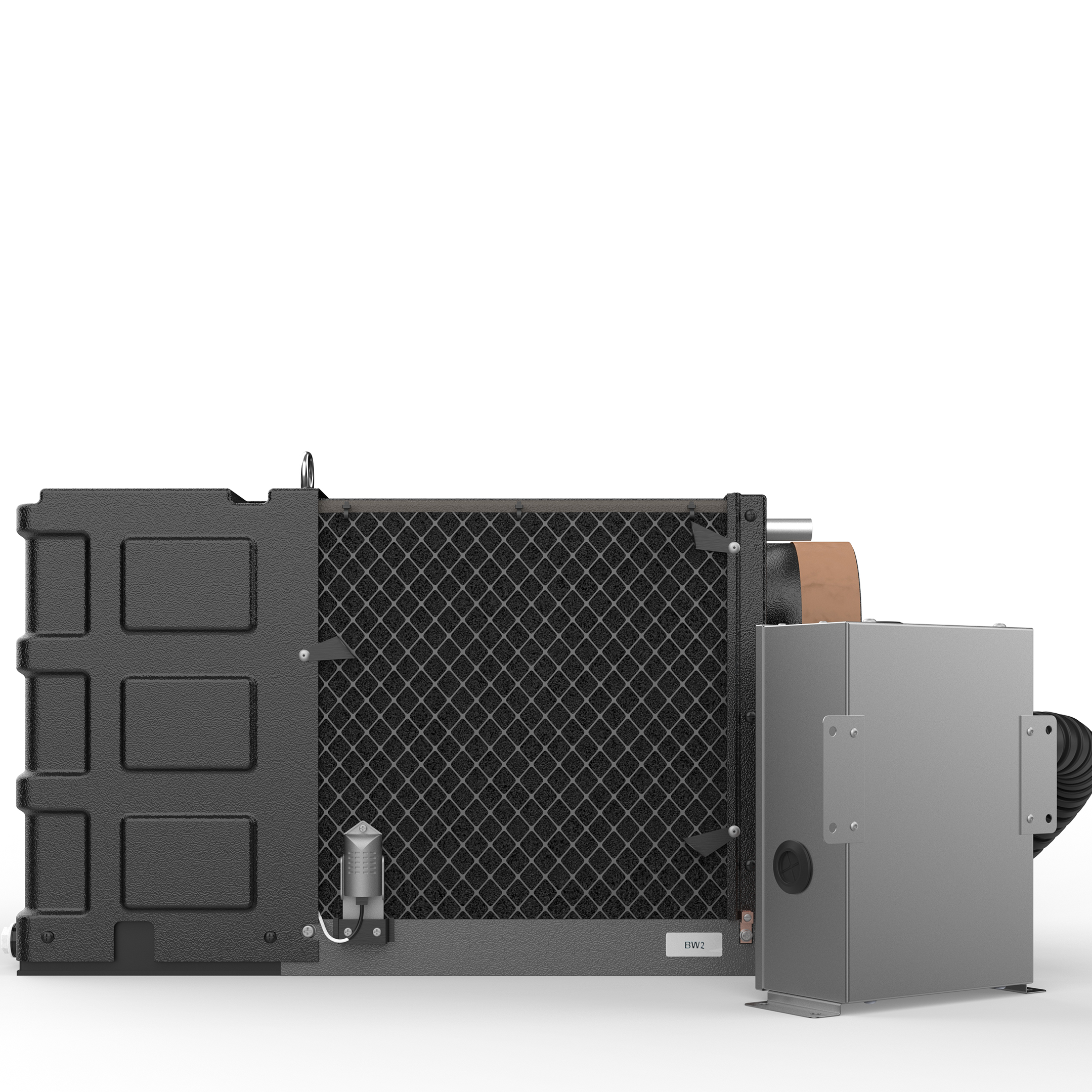
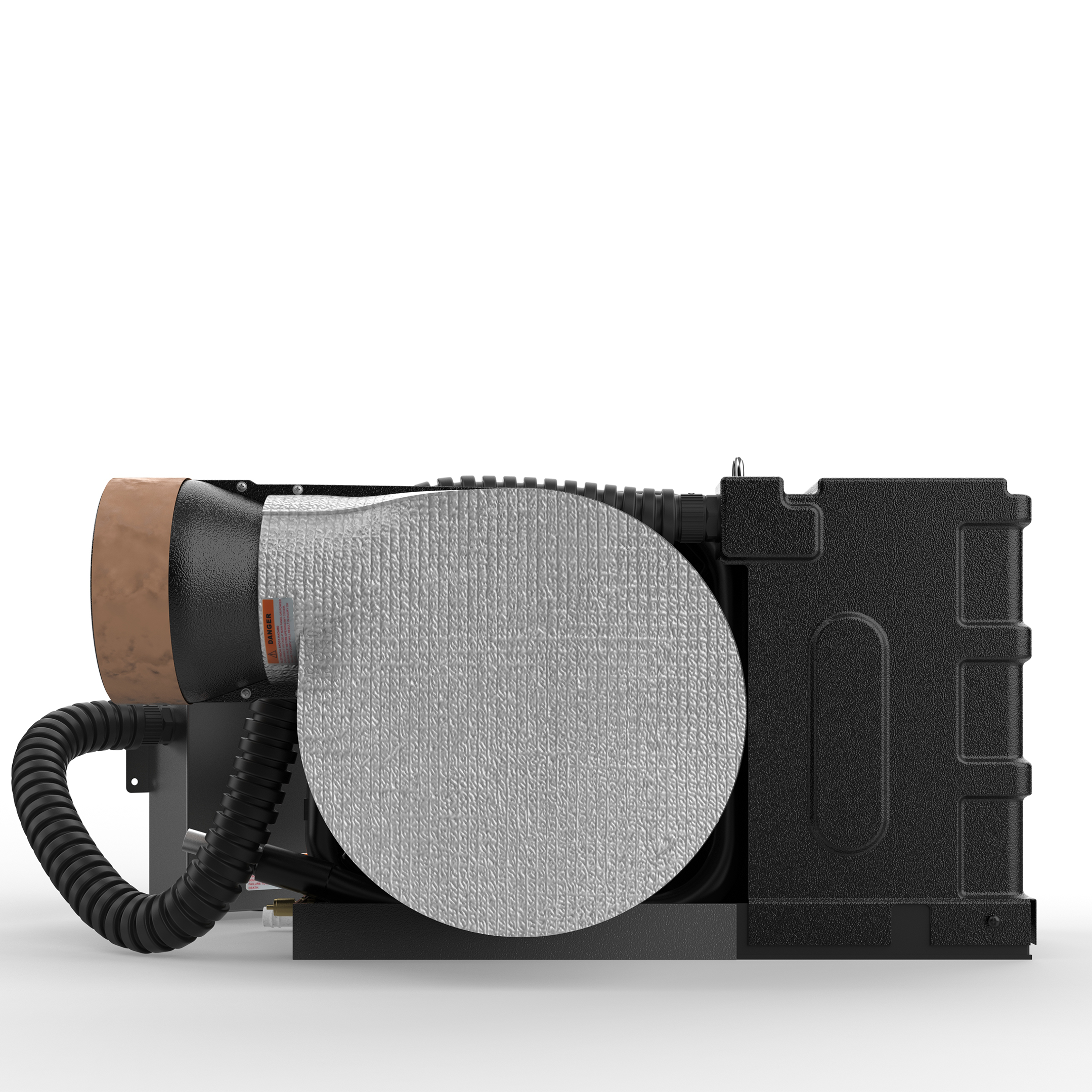
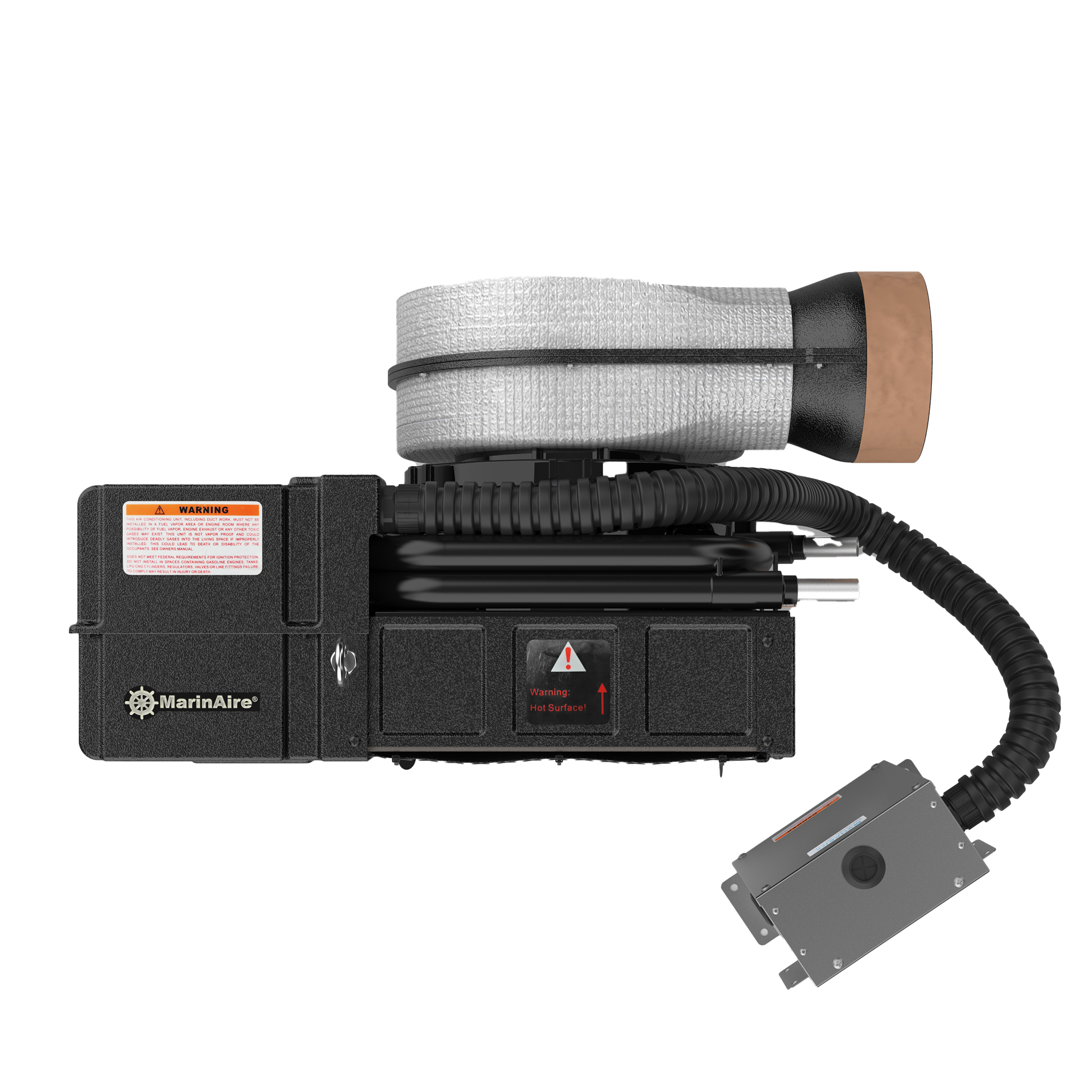
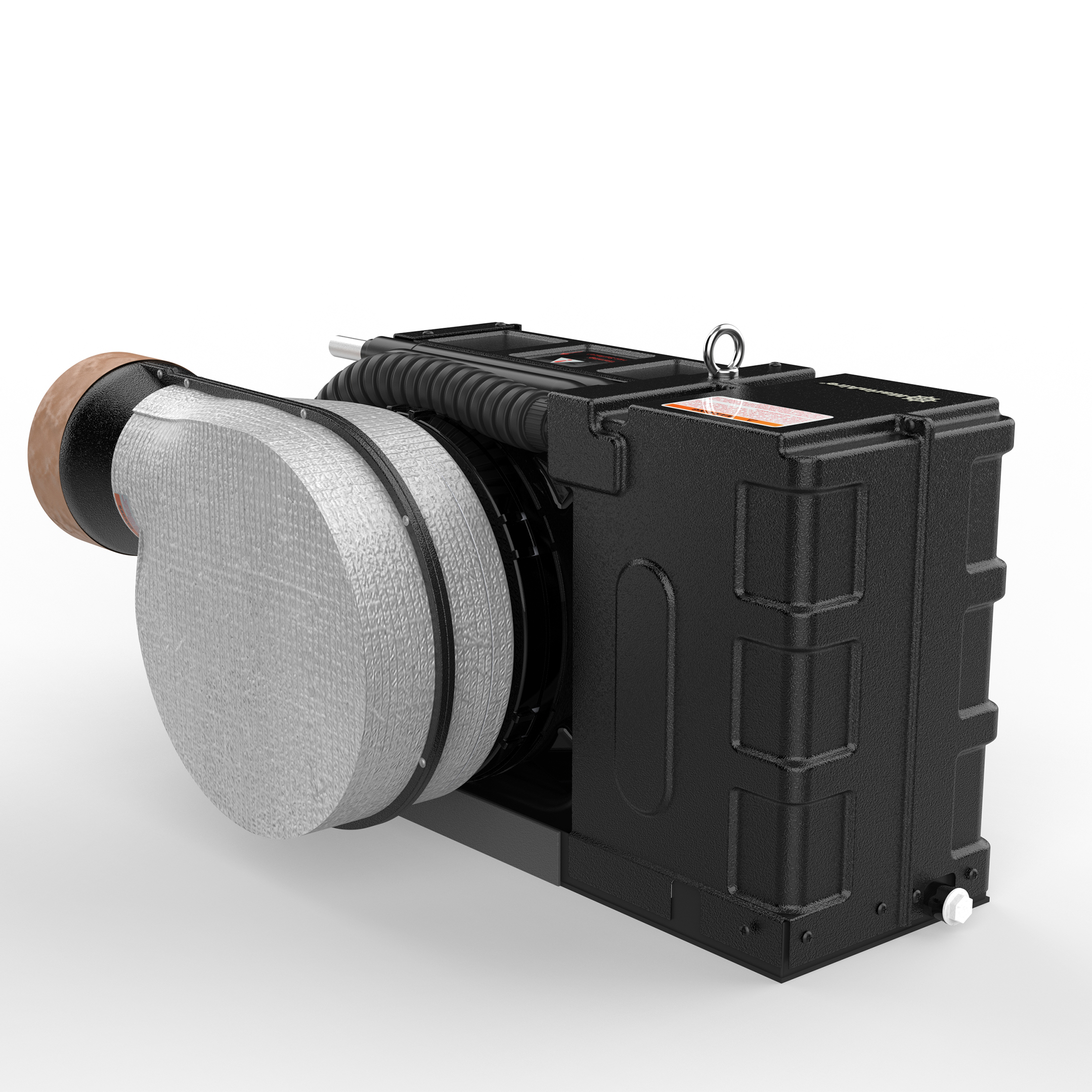
9,000 BTU Self-Contained Marine Air Conditioner & Heat Pump (208-230V)
MSWA9C2 | 9000 BTU | 208-230V | 50-60hz
FREE USA SHIPPING!
2-Year Compressor Warranty*
1- Year Manufacturing Warranty*
Couldn't load pickup availability
Pickup available at Miami, FL
Usually ready in 24 hours
Pairs well with (Optional- Depending on your set up)
If you have any questions, you are always welcome to contact us here.
We are happy to help!
-
Quick Shipping Information
For domestic orders within the United States you may complete checkout online. For international inquiries, please send us an email at support@marinaire.com.
-Signature is required on all orders over $500- For more information click here. -
Customer Support
-
Thinking about DC power?
We can help! Check out this helpful calculator.
-
Why MarinAire?
MarinAire sets the standard in the marine air conditioning industry with cutting-edge patented technology. Click here to learn more about our company.
MarinAire Petite Series
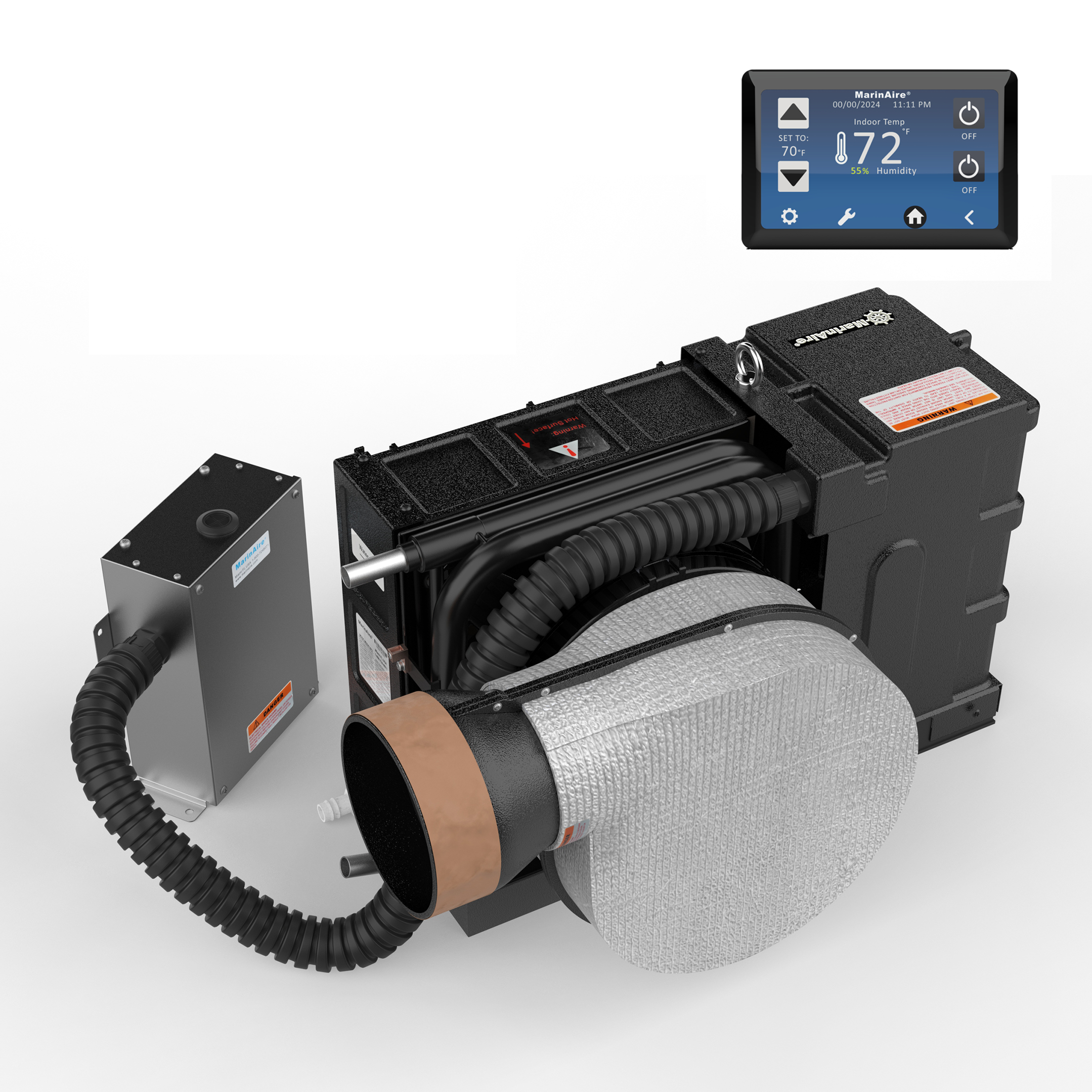
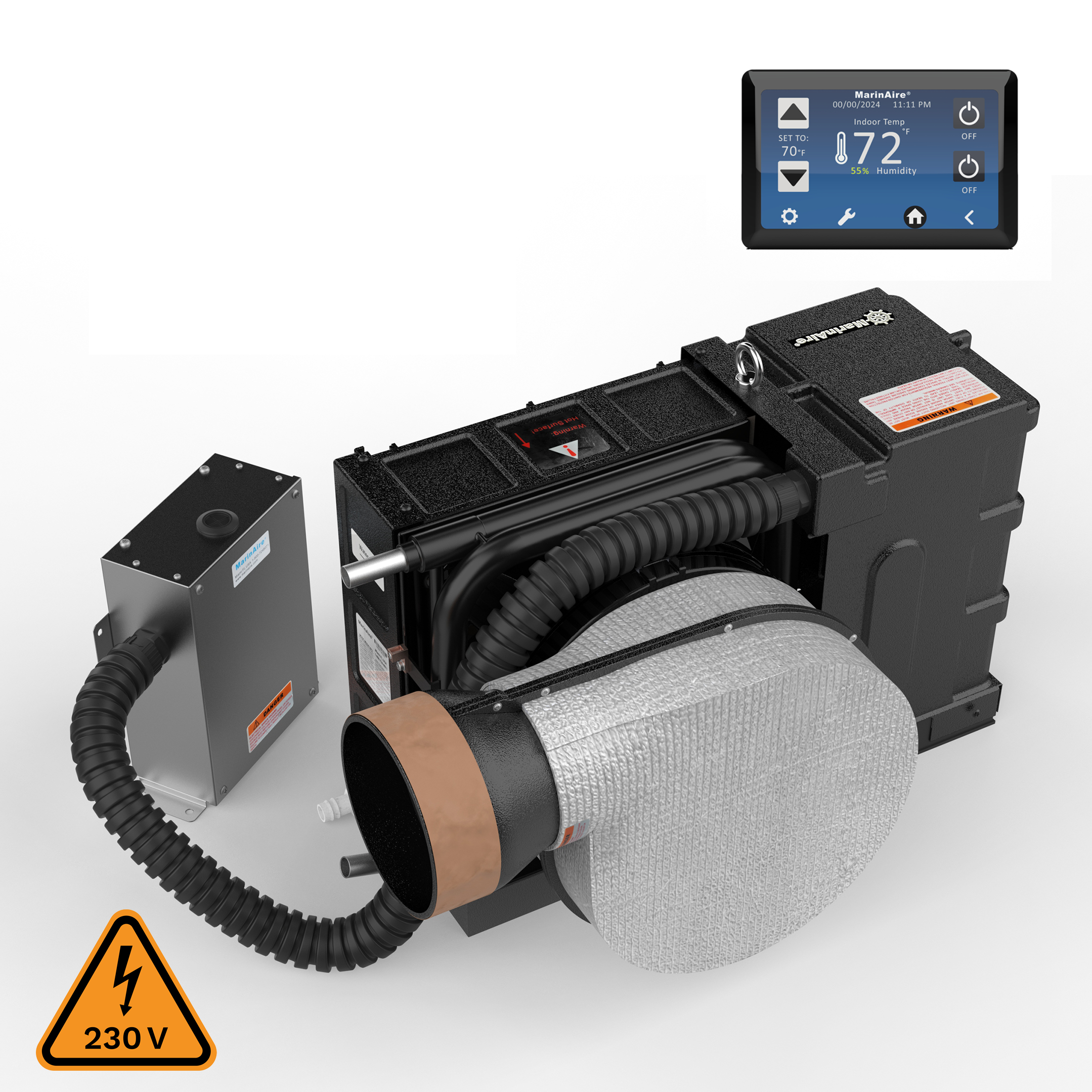
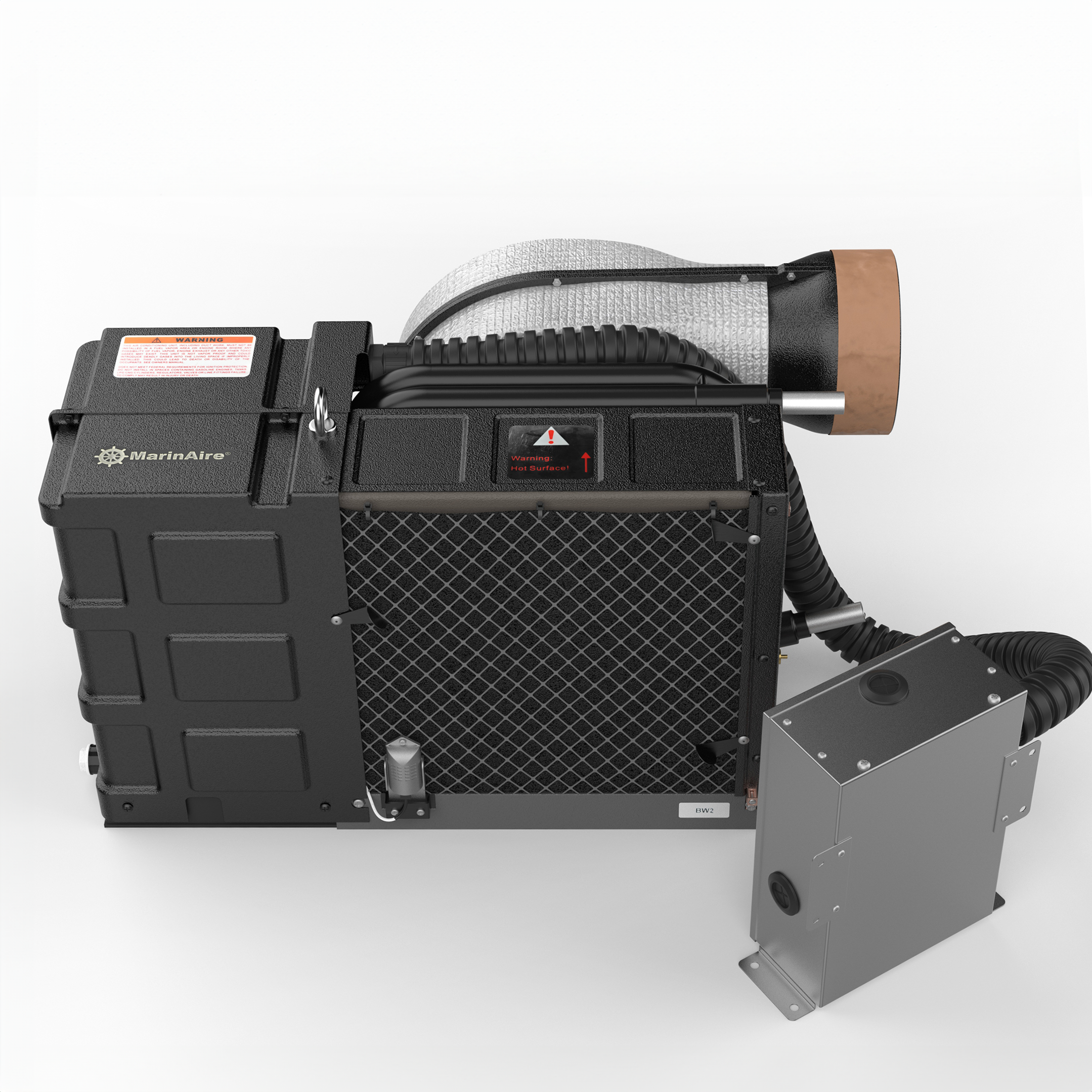
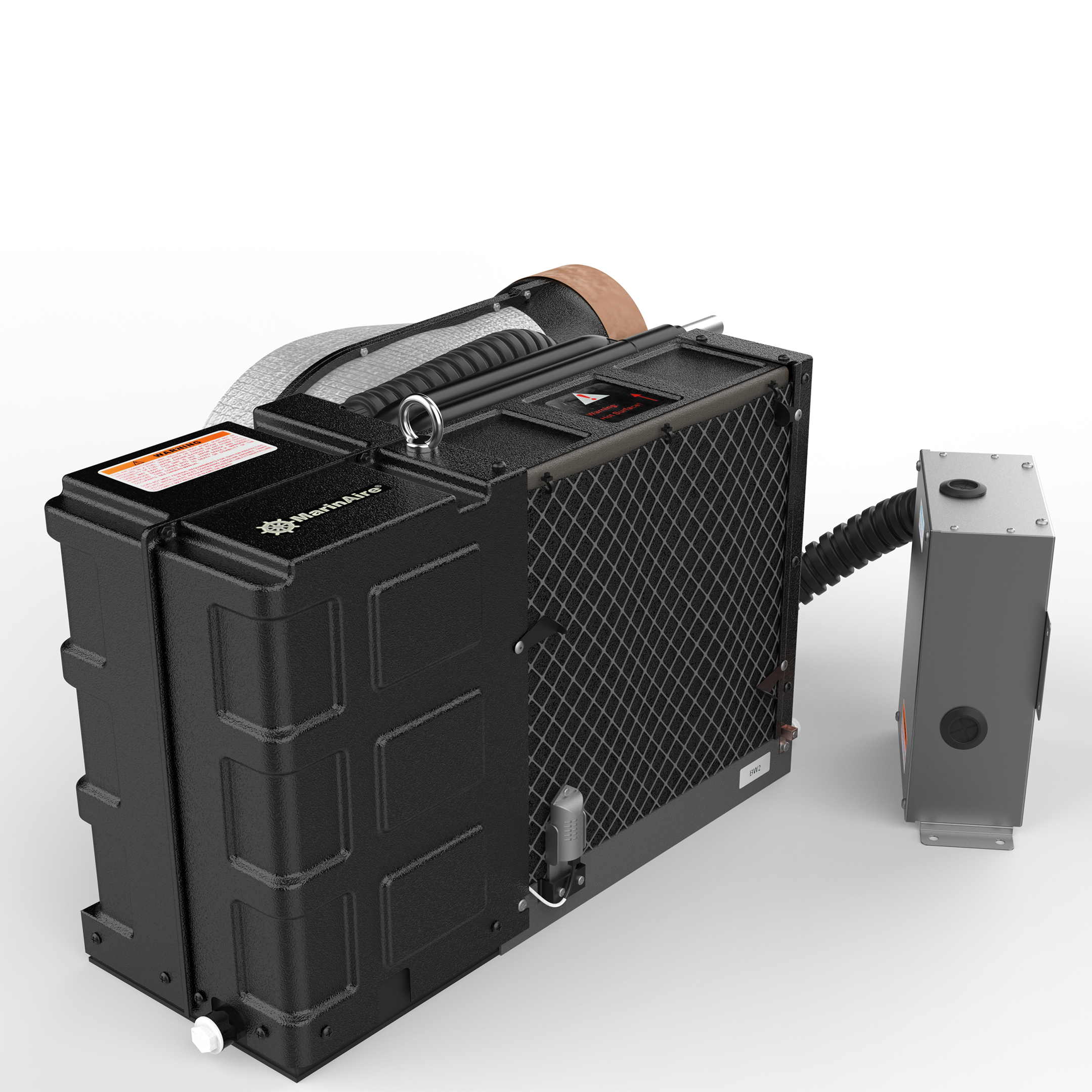
The 9,000 BTU self-contained marine air conditioner and heat pump is designed for boats and yachts operating on 220V power, providing efficient cooling and heating for small to mid-size cabins. This compact, all-in-one marine air conditioning system delivers reliable performance while conserving valuable onboard space.
Built for demanding marine environments, the system offers quiet operation, consistent temperature control, and reliable performance in humid, high-vibration conditions commonly found onboard.
Key Features
-
9,000 BTU cooling capacity for effective temperature control in mid-size cabins and enclosed marine spaces
-
Integrated heat pump provides both heating and cooling in one all-in-one system
-
Self-contained marine AC design simplifies installation and servicing
-
Compact yet powerful footprint balances performance with efficient use of onboard space
-
Built-in sound shield helps reduce operational noise for improved onboard comfort
-
Wi-Fi–enabled thermostat included for precise temperature control and remote access
-
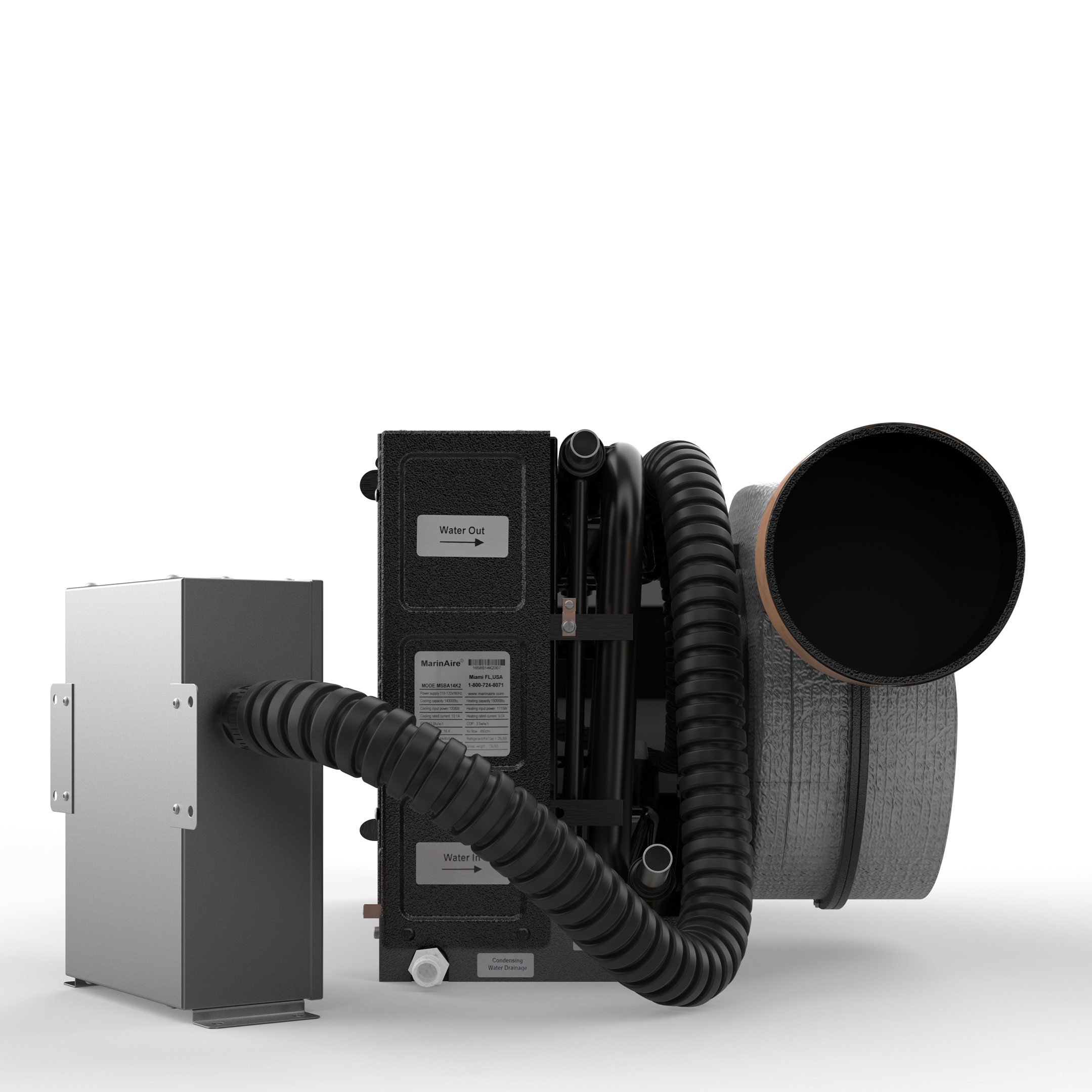
360-degree rotatable blower outlet allows flexible ducting configurations
-
Quiet, efficient operation suitable for day and overnight use
-
Marine-grade components designed to withstand humidity, vibration, and corrosive conditions
-
Dehumidification function helps reduce onboard moisture and condensation
-
208-230V electrical compatibility with common marine power systems
Designed for Marine Applications
This unit is designed exclusively for marine use and integrates the compressor, condenser, and evaporator into a single housing. Optimized airflow and efficient heat exchange provide dependable performance across a wide range of operating conditions. All materials and components are selected to meet the demands of onboard environments, making this system a reliable solution for compact, high-output marine climate control.
Have you measured your space?
Our compact marine air conditioners are designed to fit tight spaces—checking technical specifications ensures the perfect match.
FAQs
What size pump do I need?
There is no single “one-size-fits-all” seawater pump for marine air conditioners. The correct pump size depends on three factors: the air-conditioning unit, your specific installation, and the pump’s performance characteristics.
Each model lists a “Water Flow” value in the Technical Specifications tab. This rating refers to the required water flow at the unit outlet, not the pump size itself.
Because water flow is reduced by hose length, fittings, and vertical lift (head pressure), the pump selected must be capable of delivering the required flow at your actual installation head. Always reference the pump’s performance curve to confirm this.
General pump sizing guidelines
(Assumes average hose lengths and typical installations)
- 6,000 – 9,000 BTU units: 300 GPH pump per unit
- 11,000 – 16,000 BTU units: 500 GPH pump per unit
- 20,000 – 24,000 BTU units: 1,000 GPH pump per unit
Multiple units
If you are running more than one air conditioner:
- Two 16,000 BTU units require either:
Two 500 GPH pumps, or
One 1,000 GPH pump used with a proper relay/control panel
Important notes on pump
- Do not oversize the pump. Excessive flow or pressure can reduce heat-exchange efficiency, increase component wear, and cause unnecessary noise or vibration. The goal is proper, consistent flow — not maximum flow.
- Only use a pump designed for marine air-conditioning systems, such as a magnetic-drive seawater pump.
- Do not use pool pumps, general-purpose circulation pumps, or Cal-style pumps. These pumps draw significantly higher current and can damage the unit’s control circuitry or burn out the relay.
Tip: If your installation involves unusually long hose runs, multiple elevation changes, or shared manifolds, consult the pump flow curve or a marine HVAC professional to ensure proper sizing.

Will this unit fit in my boat?
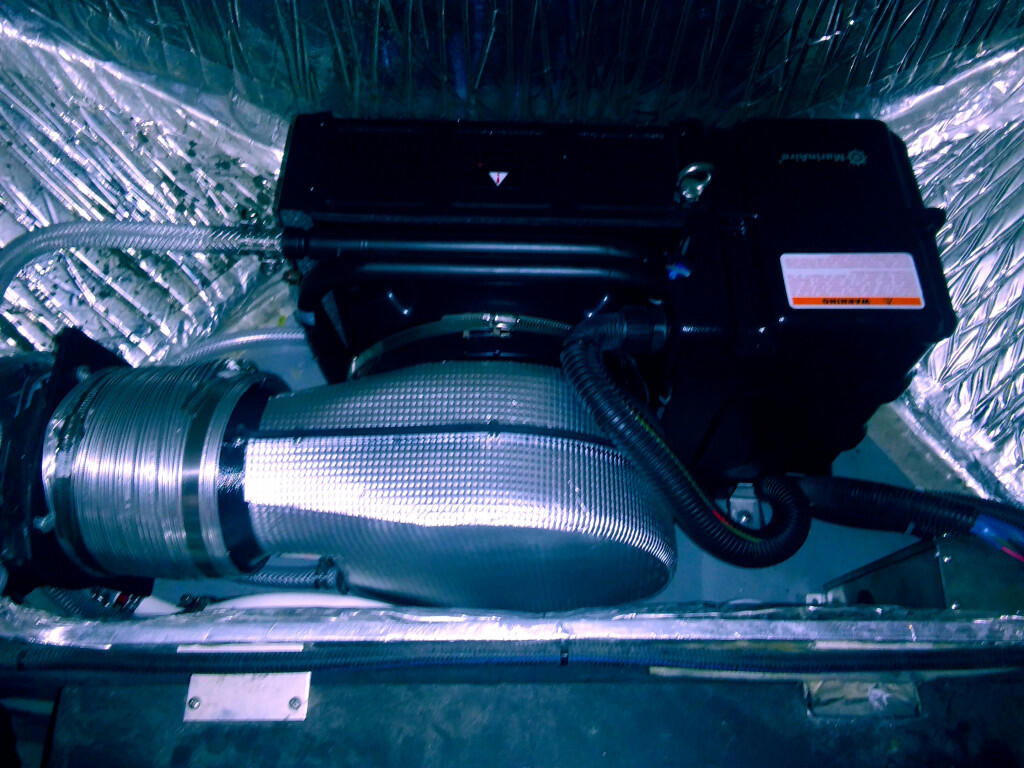
We know space on any marine vessel is limited and valuable! Our units are designed to be among the most compact in their class, but every installation space is different. Always measure your available space before purchasing.
- For added installation flexibility, our units feature fully removable blowers, allowing the unit to be positioned in tight spaces and the blower reinstalled afterward.
Refer to the “Dimensions & Drawings” tab under each model for exact measurements, including overall size and service clearances. Confirm that there is adequate room not only for the unit itself, but also for hose connections, wiring, airflow, and future maintenance access.
Tip: If your space is tight or irregularly shaped, reviewing the dimensional drawings before ordering can help avoid installation issues.
Does this unit come with everything I need?
That depends on your specific installation.
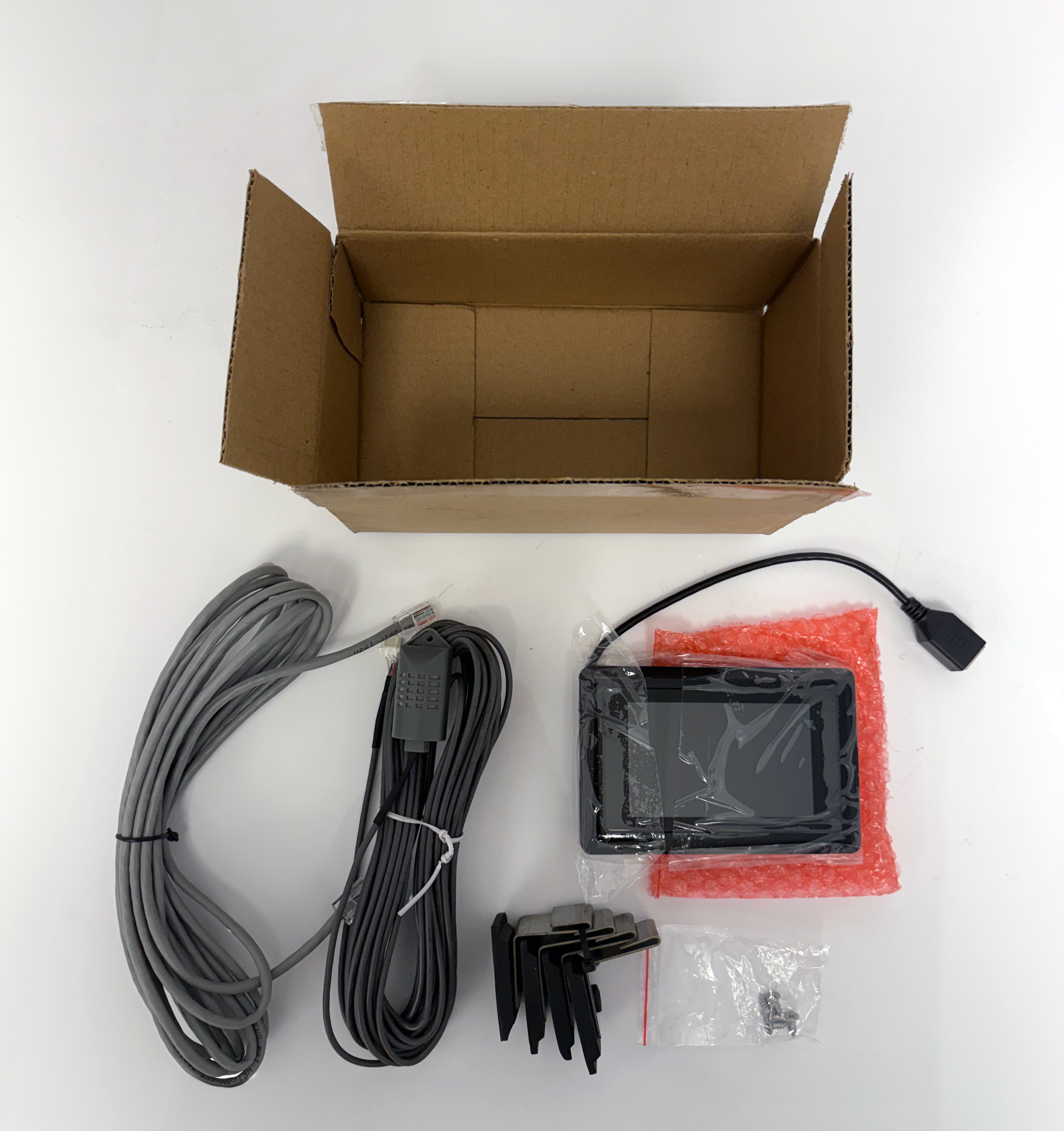
Each unit is pre-charged, and includes the core components required to operate the system:
- Thermostat
- Thermostat communication cable
- Four mounting brackets
- Spare temperature and humidity sensor
Installation-specific items — such as seawater pumps, plumbing components, ducting, venting, grilles, and fittings — vary by vessel and layout and are not included. These items must be selected separately based on your setup.
If you are replacing an existing marine air-conditioning unit, most installations can reuse the existing set up.
Many customers refer to this as a ‘plug-and-play’ replacement.
I don't have a boat/yacht/marine application. Can I use this in a different application?
No. These units are designed exclusively for marine applications and are not supported for use outside of a marine environment.
Each marine air conditioner requires hundreds of gallons per hour of water flow from an open loop system. Water tanks, pools, tubs, etc. will not work.
They are also not UL-listed for use outside of a marine environment and are not approved for non-marine installations.
What size generator will I need?
Generator size depends on your specific MarinAire model, voltage, and what other onboard loads you plan to run at the same time. We recommend consulting a qualified marine electrician for final generator selection and installation. For a quick starting point, you can use our Generator Size Calculator, which provides a general estimate based on your unit and rounds to common real-world generator sizes.
How can I use DC power?
You can run MarinAire on DC (battery) power by using a pure sine wave inverter to convert your battery bank’s DC into AC power. Because inverter sizing, wiring, and battery performance vary by installation, we strongly recommend consulting a qualified marine electrician for accurate system design and verification. If you’d like a starting point, our Battery Power Calculator can provide a general estimate of inverter size and expected runtime based on your unit and battery setup, but results may vary in real-world conditions.
Where is this product made?
MarinAire is an American company, and our systems are invented and engineered in the United States.
Our air conditioners are built using hundreds of globally sourced components from top quality manufacturers, with parts produced in multiple countries (Japan, Germany, etc.) to meet performance and reliability standards. Final assembly is performed in China, followed by multi-stage testing and quality verification.
Before shipment, each unit undergoes final inspection and quality control in the United States to ensure it meets our performance, safety, and reliability standards.